


15 Apr, 2026
Exploring wetland carbon credits in India to unlock finance, strengthen livelihoods, and build a replicable, policy-aligned pathway for climate resilience.
What are “blue carbon” ecosystems?
These are coastal ecosystems like mangroves and salt marshes that naturally absorb and store large amounts of carbon, while also supporting livelihoods and strengthening climate resilience.
To unlock this potential, our ongoing work focuses on how wetland restoration can be supported through emerging carbon financing approaches. The objective is to ensure that conservation efforts not only protect wetland ecosystems but also create tangible benefits for local communities. This work is aligned with India’s evolving carbon market framework and focuses on building capacity, strengthening institutions, and promoting sustainable livelihoods.
India’s coastal ecosystems are important carbon sinks and provide essential ecosystem services. However, their inclusion in carbon markets remains limited. The current assignment addresses this gap through a feasibility assessment of blue carbon opportunities in two priority regions: mangroves in Odisha and tidal wetlands in Gujarat, particularly salt marshes.
.jpg) Field assessment at potential restoration site in Anand, Gujarat
Field assessment at potential restoration site in Anand, Gujarat
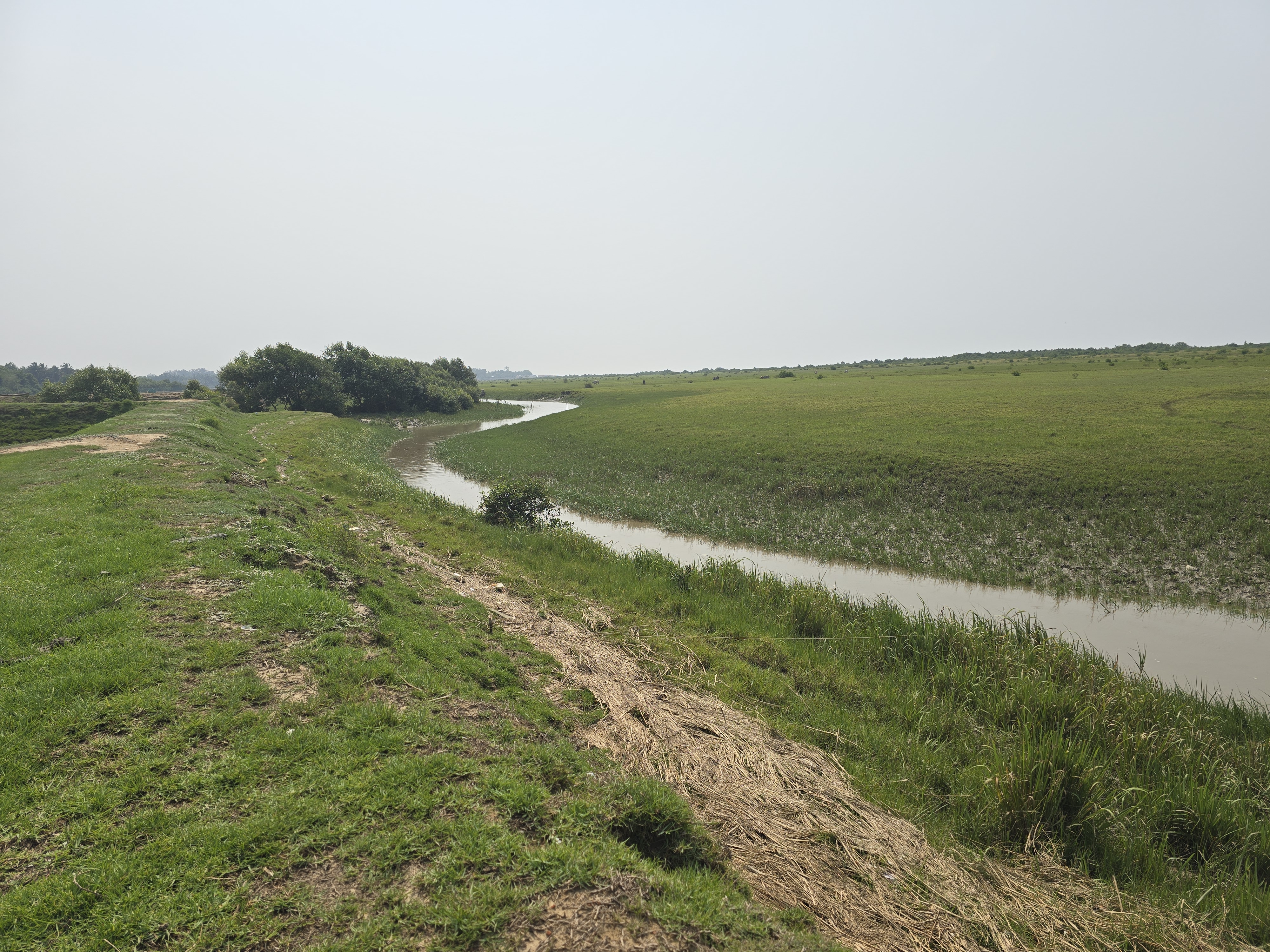 Potential mangrove restoration site in Balasore, Odisha
This work evaluates the technical, institutional, and commercial viability of developing carbon projects in these regions. The assessment is examining whether these ecosystems can generate measurable, verifiable, and financially viable carbon outcomes under current market conditions.
Potential restoration sites have been identified in both states, with a focus on mangroves and salt marshes. Salt marsh restoration is relatively new in India’s carbon market context and presents an opportunity to develop innovative projects. In some areas, this can be combined with existing mangrove plantations to enhance coastal protection. The approach is aligned with national climate priorities, including India’s Nationally Determined Contributions (NDCs) and initiatives such as Amrit Dharohar.
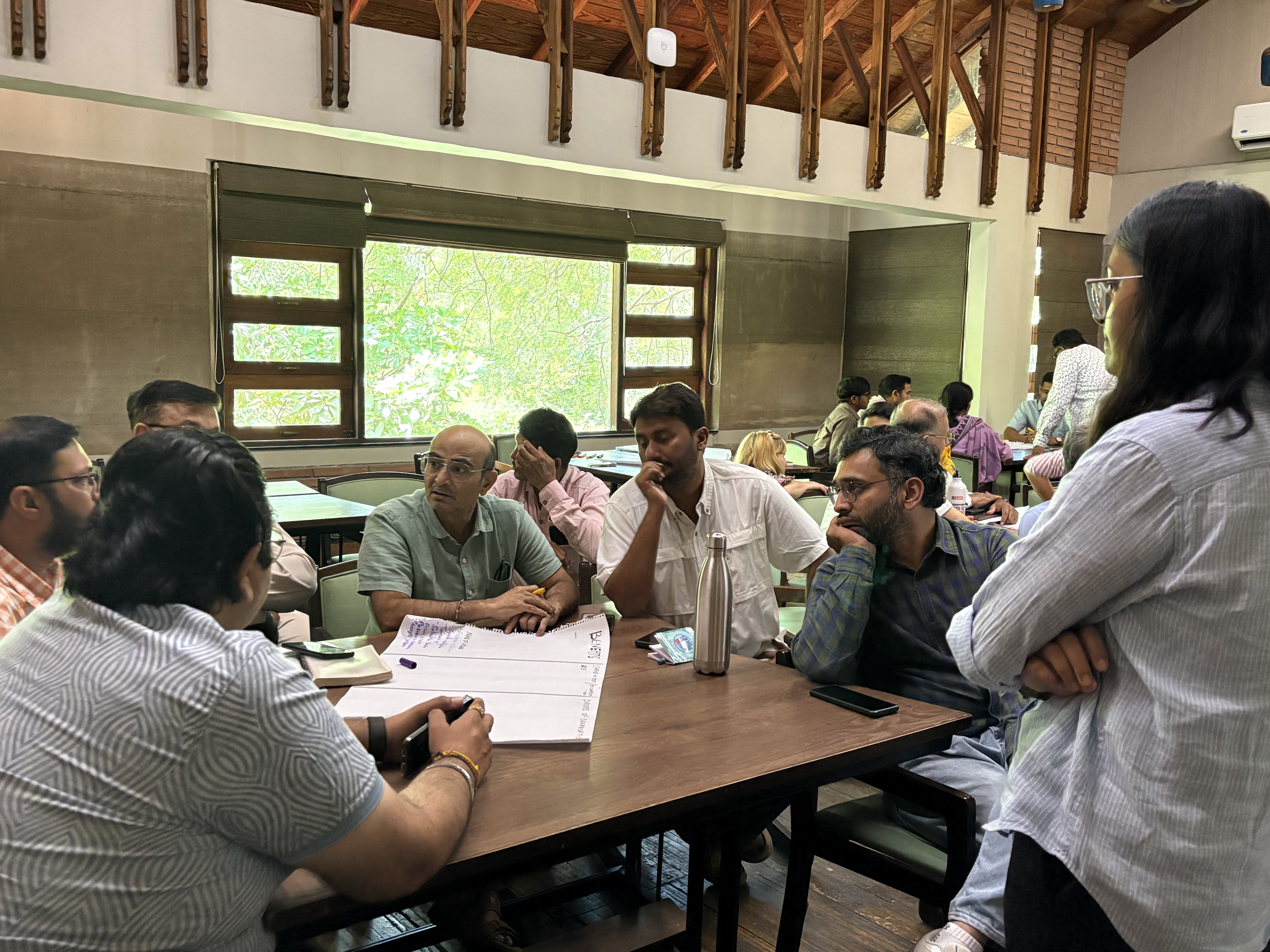
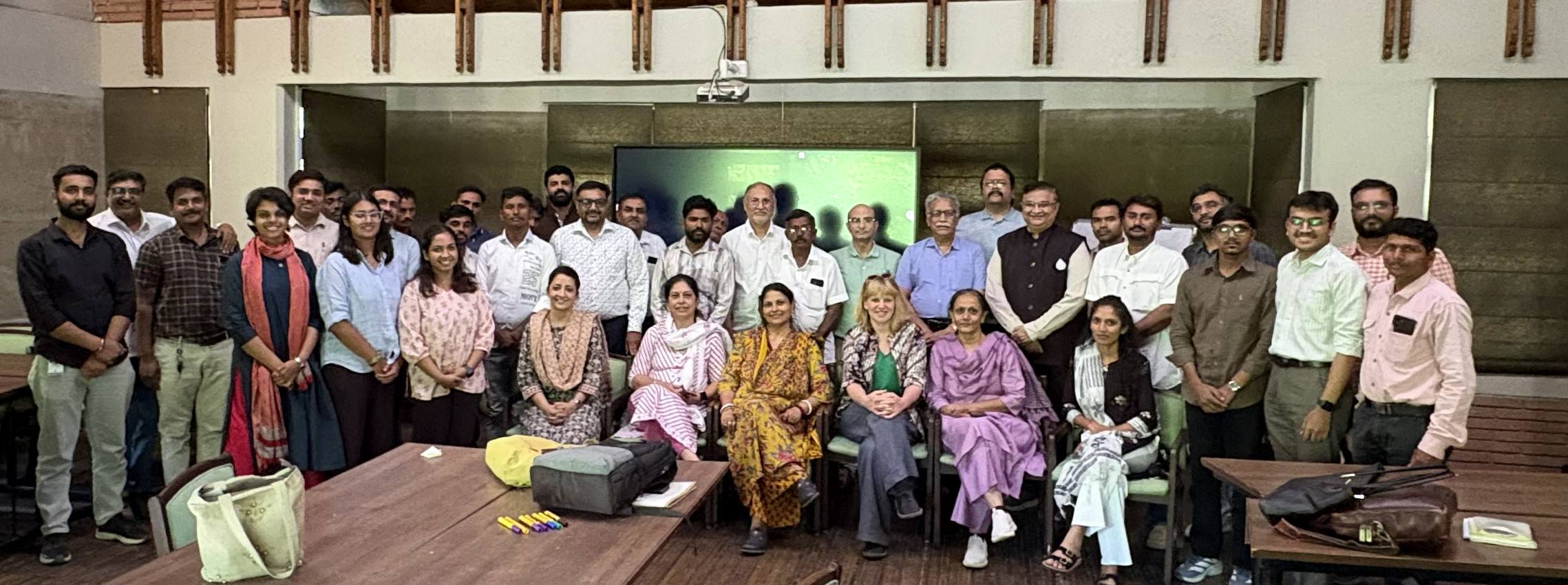
Stakeholder consultation in Anand, Gujarat
Stakeholder consultations in Gujarat on 15 and 16 April in partnership with RECAP4NDC project and in Odisha on 21 April. These consultations have been an important part of this process. Village panchayats, local NGOs, and district officials were engaged to share findings and gather local perspectives.
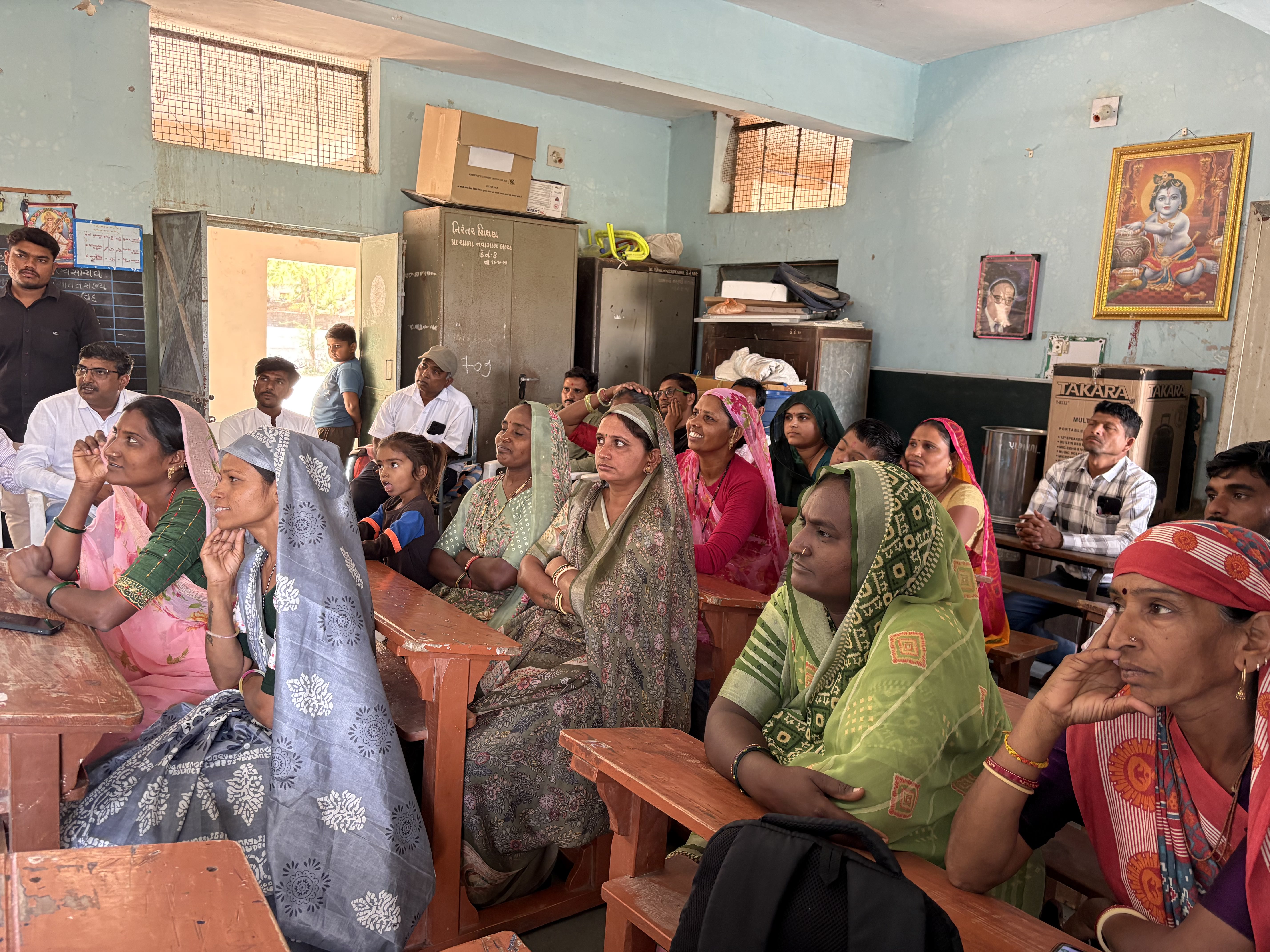
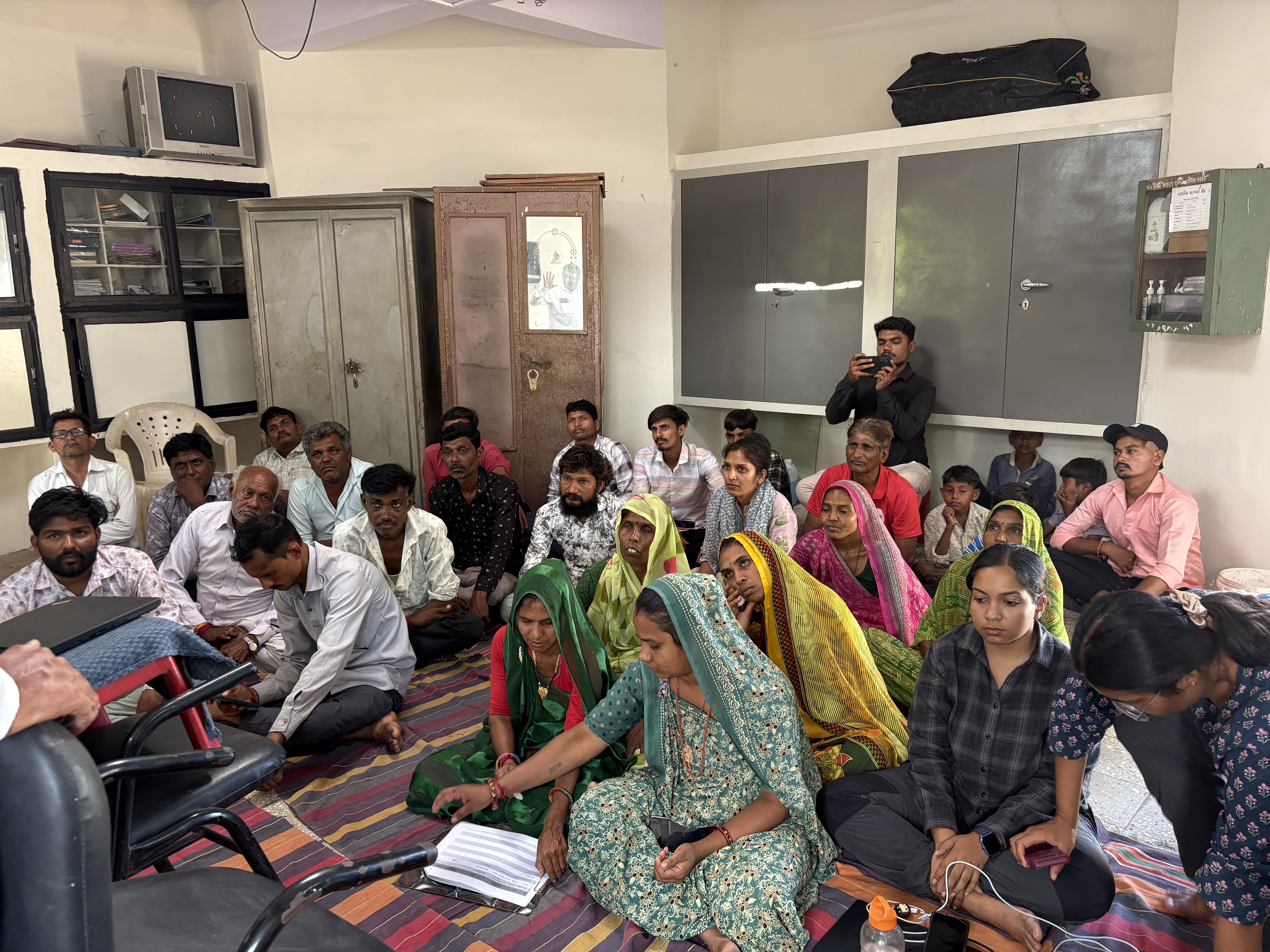
Consultation with Village Panchayat in Anand, Gujarat
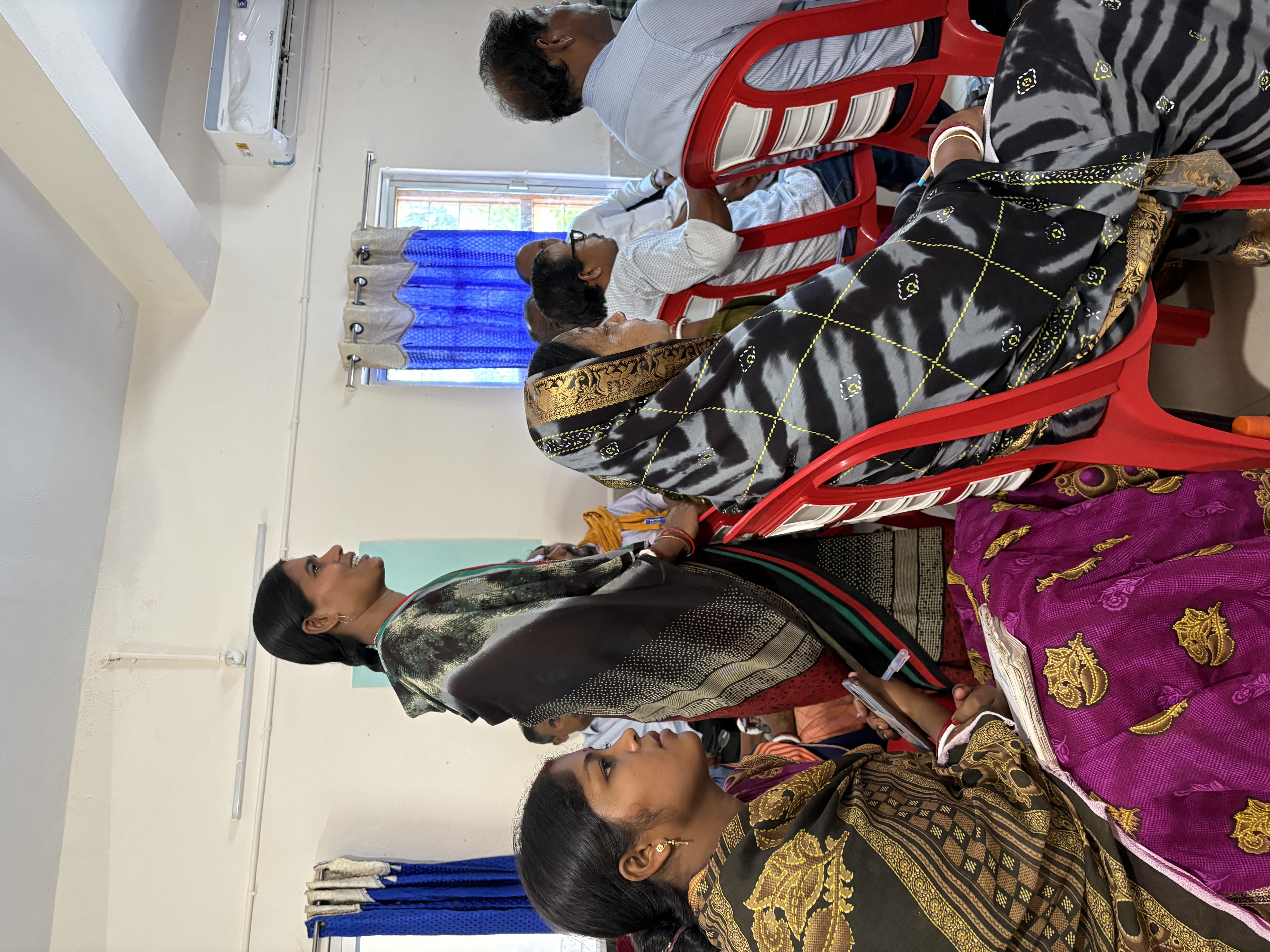
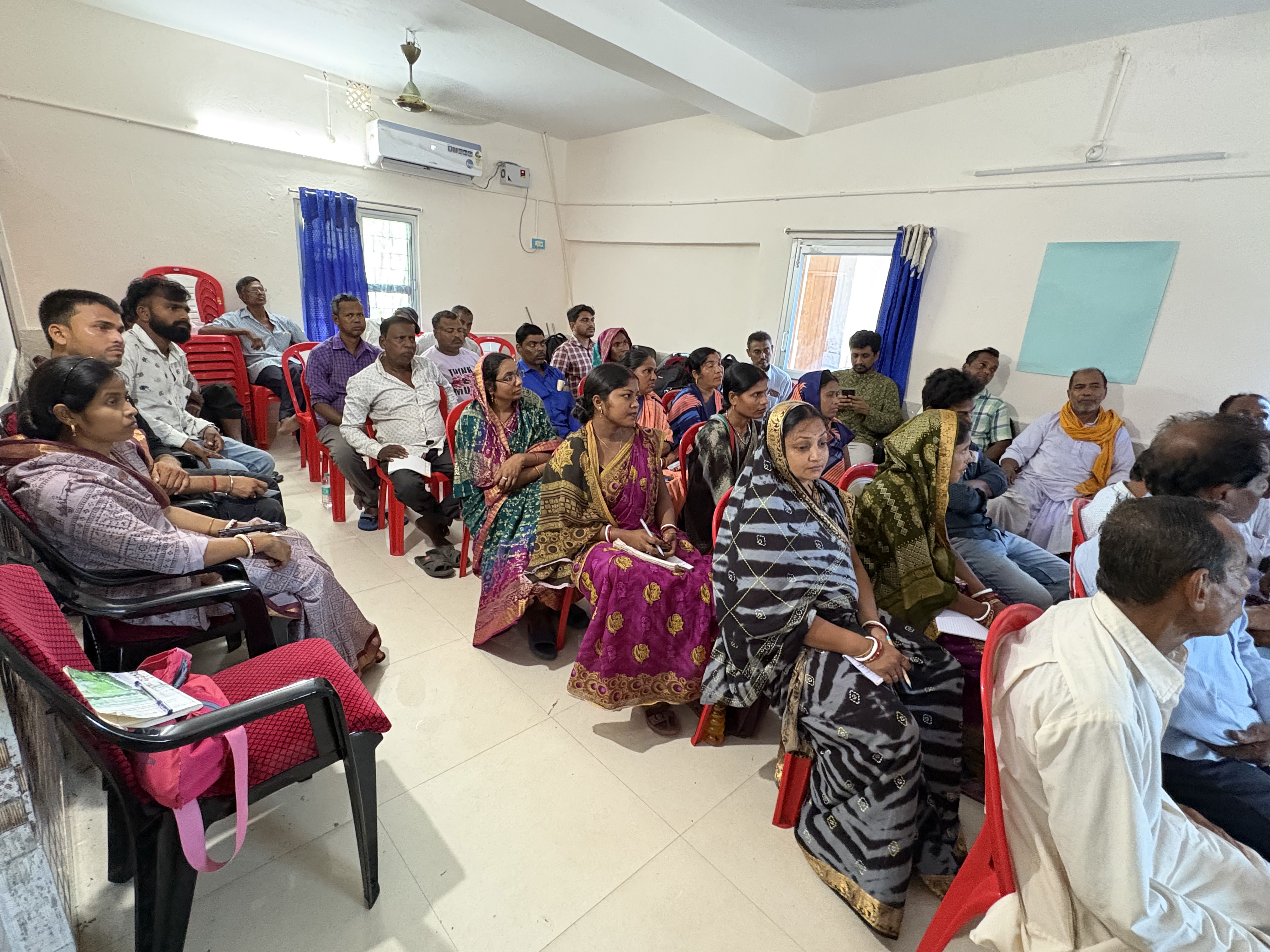
Stakeholder consultation in Balasore, Odisha
Key takeaways from consultations:
These inputs are informing project design and helping identify potential challenges early. The next phase will focus on detailed site assessments, including carbon potential, feasibility, and institutional readiness. If these elements align, wetland carbon projects can become a viable tool for climate mitigation while supporting local development.
*
The Indo-German Support Project for Climate Action is India is commissioned by The Federal Ministry for the Environment, Climate Action, Nature Conservation and Nuclear Safety (BMUKN) and implemented in partnership with Ministry of Environment, Forest and Climate Change under the International Climate Initiative (IKI). Read More
For more information contact: biodiv.india@giz.de
© 2014 IGBP. All Rights Reserved.
Site By: Virtualpages
