
Strengthening Gender Responsive Forest Ecosystems Management And Agroforestry (GVAN)


Strengthening Gender Responsive Forest Ecosystems Management And Agroforestry (GVAN)

Commissioned by Lead Executing Agency
German Federal Ministry for Economic Cooperation and Development (BMZ) Deutsche Gesellschaft für Internationale Zusammenarbeit (GIZ) GmbH
Lead Implementing Agency Duration
Ministry of Environment, Forest and Climate Change 2024-2028

SITUATION

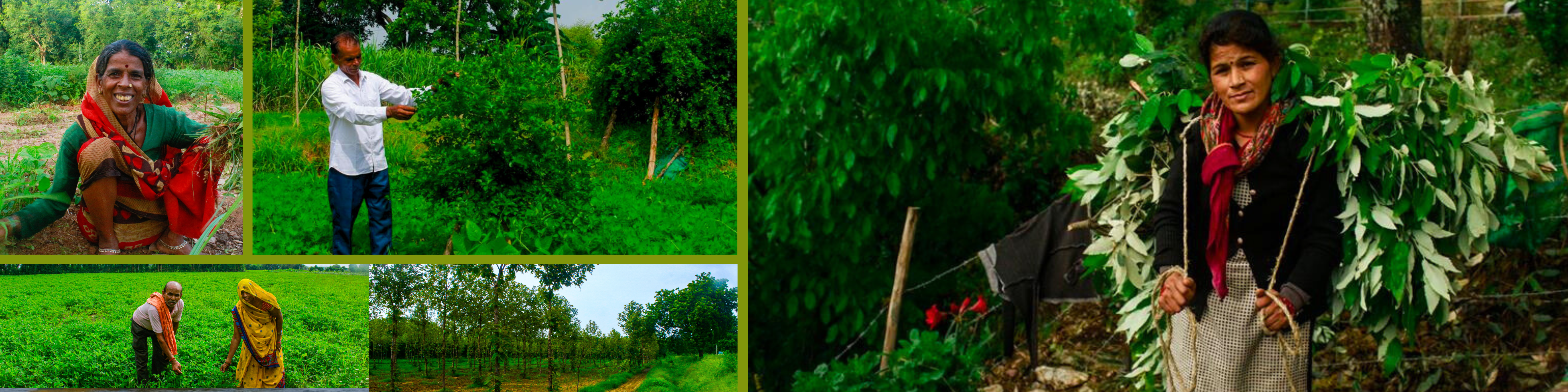
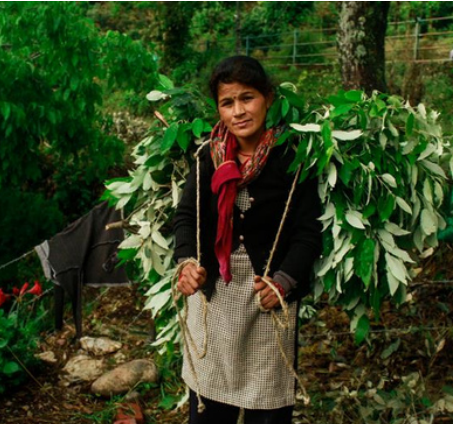
India’s forest ecosystems, covering 21.76% of the geographical area (ISFR 2023) and 8.69% under agroforestry (ICAR 2023), play a vital role in supporting rural livelihoods, providing ecosystem services, and serving as carbon sinks to meet the country’s Nationally Determined Contributions (NDCs). With 275 million rural people in India depending on forests for livelihood security, those living in the vicinity are directly dependent on forests for Non-Timber Forest Products (NTFPs) and numerous other ecological services (Pandey et al. 2016, ISFR 2023). However, increasing climate risks—floods, droughts, and heatwaves— threaten ecosystems and rural well-being. To address these challenges, it is essential to integrate a gender perspective, recognising the different ways men and women manage and utilise forests and agroforestry ecosystem services.
OBJECTIVE

The gender-responsive and climate-resilient management of forest and agroforestry ecosystems has been strengthened in selected states of India

APPROACH

Building on the lessons from its previous phase, Sustainable Management of Forest Ecosystem Services (2021–2024), the Strengthening Gender Responsive Forest Ecosystems Management and Agroforestry (G-VAN) Project has recently commenced its implementation. Adopting a landscape-level approach, the project combines natural resource management with environmental and livelihood considerations. The approach will support multi-stakeholder planning and sectoral integration, leveraging social, economic, and environmental linkages to balance development and conservation at the landscape scale.

The following three core areas define the implementation approach of the project:
  • Strengthening the institutional framework for gender responsive and climate resilient forest and agroforestry management:This will be achieved through strategic capacity development, enhancing both technical and soft skills across public institutions, research and training institutes, and local organisations. The project will promote the integration of gender-responsive and transformative forest and agroforestry ecosystem management approaches into relevant policies, planning frameworks, and strategic documents.

  • Supporting partners in equitable planning and practical implementation of gender-responsive and climate-resilient forest and agroforestry management:This entails strengthening stakeholder capacities and providing technical support for the development, implementation, and funding of gender-responsive and climate-resilient landscape management plans, such as Gram Panchayat Development Plans (GPDPs), as well as Block and District Development Plans.

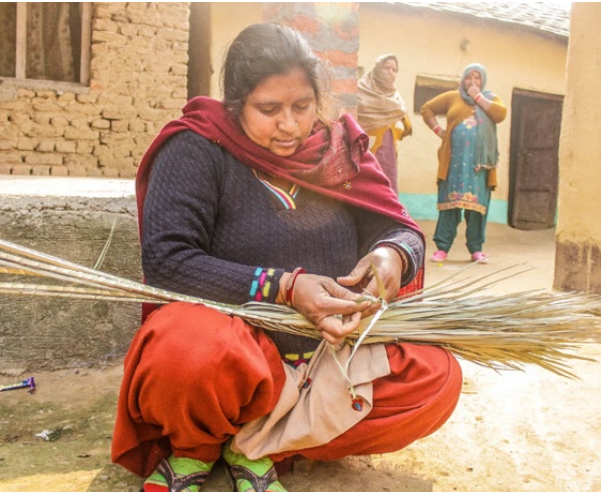
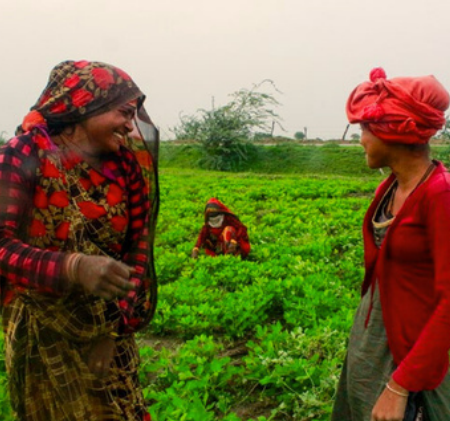
  • Empowering local communities, especially women and marginalised groups, through sustainable forest and agroforestry ecosystem management:This involves implementing genderresponsive and transformative income-generating measures, establishing market linkages, developing skill-building training modules, and conducting capacity-building sessions for local institutions such as Farmer Producer Organizations (FPOs), SelfHelp Groups (SHGs), Van Panchayats etc.

EXPECTED RESULTS

  • The technical and institutional capacities, for genderresponsive and climate resilient forest and agroforestry management are strengthened.
  • Forest and agroforestry areas are increasingly managed in a gender-responsive and climate-resilient manner, aligned with officially accepted development plans.
  • Gender-responsive planning documents, procedures, curricula, guidelines for funding programmes have been published, in coordination with relevant stakeholders.
  • Increased income of local self-help groups and Farmer Producer Organisations through the sustainable management of forest and agroforestry ecosystems.

PROJECT IMPLEMENTING STATES 


CONTRIBUTION TO AGENDA 2030


RESOURCES

All publications of this project can be accessed via the Resources section

  • What, How and When: To learn about the project activities visit our News from the Projects and Media Coverage section and select the topic “Strengthening Gender Responsive Forest Ecosystems Management And Agroforestry”.
  • Where: To learn more about our project sites visit our Where We Work section.
  • Who: Find our Partners and our Team under the Who We Are section.


RECENT NEWS

View More
 

RECENT PUBLICATIONS

STRENGTHENING GENDER RESPONSIVE FOREST ECOSYSTEMS MANAGEMENT AND AGROFORESTRY

IGBP, GIZ

2025

View More

RECENT FILMS