

| Commissioned by | Lead Executing Agency |
|---|---|
| German Federal Ministry for Economic Cooperation and Development (BMZ) | Ministry of Environment, Forest and Climate Change |
| Lead Implementing Agency | Duration |
|---|---|
| GIZ- Deutsche Gesellschaft für international Zusammenarbeit | 2024-2027 |
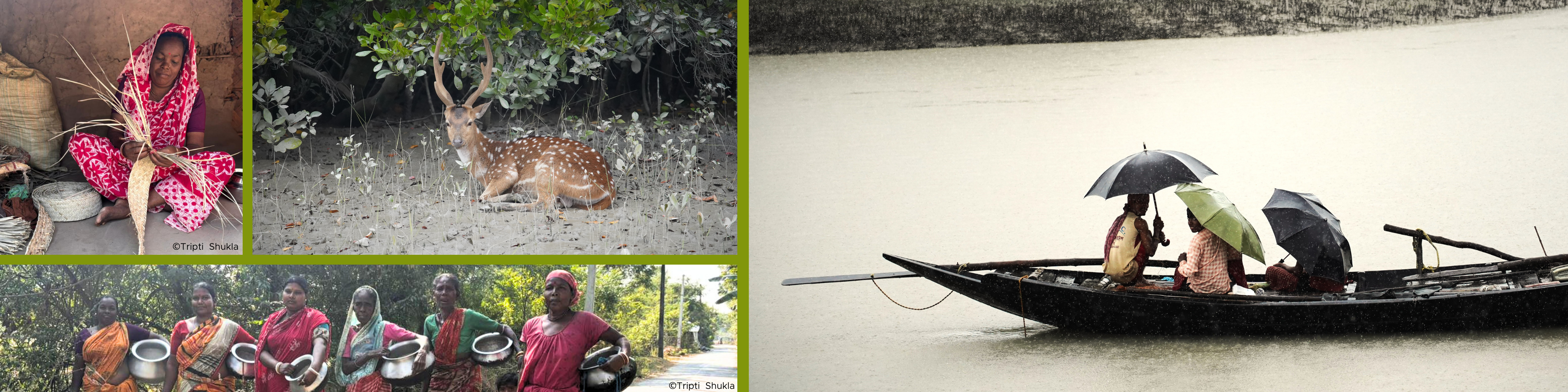
Unique natural areas such as the Sundarbans in Bangladesh and India - the world’s largest contiguous mangrove forest - and numerous smaller, unconnected marine protected areas are crucial for the preservation of the many ecological services provided by the Bay of Bengal ecosystem. Bangladesh and India share challenges such as climate change, habitat fragmentation, biodiversity threats, overexploitation of fish stocks, and increasing competition for sea space from various blue economy activities, including mineral resource extraction, fisheries, and energy production in the Sundarbans and the Bay of Bengal. Joint transboundary conservation management offers direct benefits to migrating species like waders, river dolphins, and numerous fish species. It also strengthens the conservation efforts leading to increased resilience of the ecosystem to the effects of climate change such as extreme weather events, sea level rise, and increasing salinity. This, in turn, benefits approximately 6.5 million people across Bangladesh and India whose livelihood depends on the sustainable management of Sundarbans.
The project aims to strengthen regional cooperation and financing models for transboundary protected area management. This initiative will improve biodiversity, productivity, and ecosystem connectivity in the Bay of Bengal, thereby reducing existential risks for resource-dependent residents and strengthening their climate resilience.
.JPG)

Picture of boats waiting in the Bangladesh side of the Sundarbans region; Fishermen at work in the Sundarbans.| © GIZ/Mira Amtmann
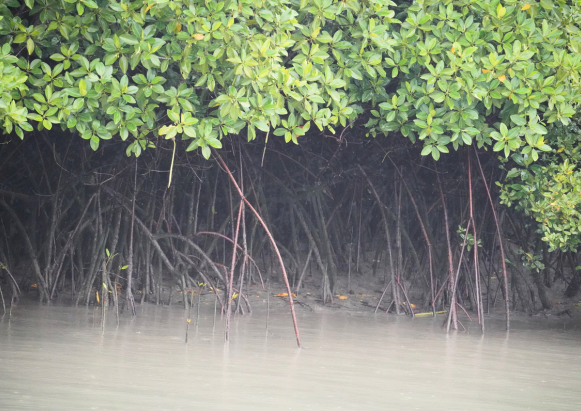
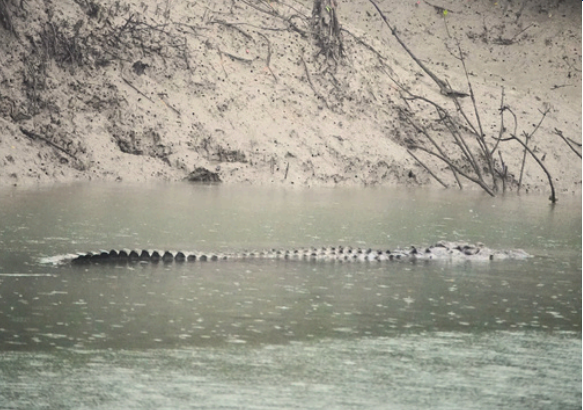
A landscape of mangrove trees in the Sundarbans; a saltwater crocodile, the largest living reptile in the world, also known as the Dragon of the Sundarbans.
.png)


All publications of this project can be accessed via the Resources section
© 2014 IGBP. All Rights Reserved.
Site By: Virtualpages

